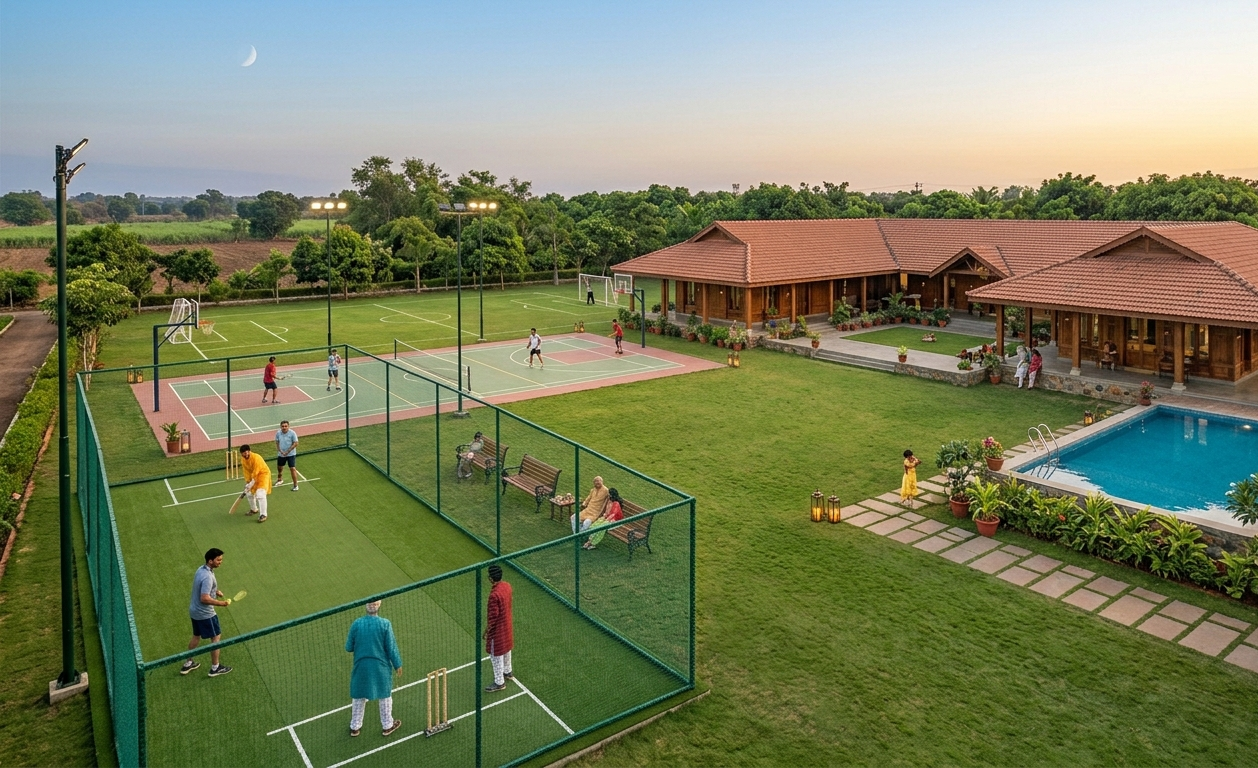
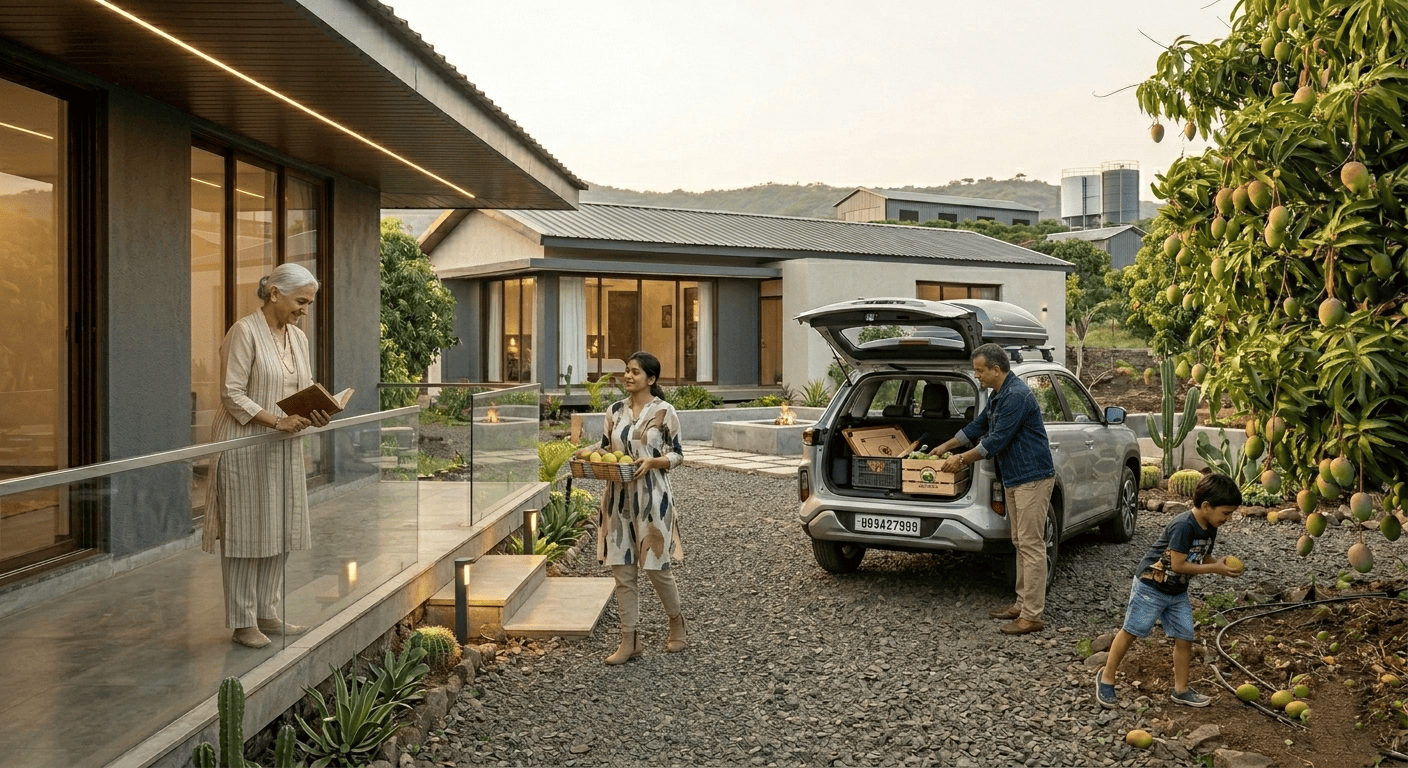
After weeks of debating the perfect farmhouse in the WhatsApp group, the last thing you want is for the morning of the trip to get into a chaotic struggle to shove cricket bats, crates of eggs, and suitcases into two SUVs. This disorganized approach leads to two-hour unpacking battles upon arrival, crushed supplies, and the inevitable panic of lost essentials like the Bluetooth speaker. To ensure a seamless 15-minute unload, you need to ditch the haphazard packing and do a 5-zone packing system. This will help you transform your transport into an organized grab-and-go machine, ensuring the vibe is alive the moment you pull into the driveway rather than being killed by cargo chaos.
Zone 1 – Food & Kitchen Stack
It is your primary grab-and-go zone, positioned to prevent you from digging through suitcases for a simple tea bag. To master this layout, use a three-crate system: crate 1 for dry goods like Maggi and spices, crate 2 for essential cookware (if required), and crate 3 dedicated exclusively to breakfast staples like bread and eggs. Your cooler strategy is equally vital for temperature management. Layer ice packs at the very bottom, followed by heavy cans of beer and soda in the middle, and finish with fruits in paper bags or sealed containers on the top to avoid bruising. This hierarchical organization ensures that the kitchen is up and running within minutes of arrival, keeping the hunger and the stress at bay.
Zone 2 – Clothes & Linens
To maximize every inch of your car, avoid rigid, hard-shell luggage and switch to heavy-duty cotton bags which are far easier to wedge into the irregular gaps around your coolers and crates. You can use a bag for everyone’s swimming costumes and pool gear, towels, backup clothes and emergency changes. By ditching the suitcases, you not only reclaim 30% of your trunk space but also create a protective, soft cushion for the more fragile equipment in the surrounding zones, ensuring nothing rattles or breaks on the bumpy roads leading to the farmhouse.
Zone 3 – Entertainment Essentials
This is built on the principle that you didn’t escape to a farmhouse to sit in silence, so this equipment must be accessible the second the engine cuts. To master this zone, utilize the trunk’s built-in hooks to strap cricket bats and wickets securely to the sides, while storing badminton racquets and shuttlecock tubes vertically to prevent deforming. For indoor entertainment, keep playing cards and board games into a single, transparent zip-lock pouch, and use the ultimate space-saving hack by sliding the carrom board flat directly under the rear seats before you even begin loading the trunk. Finally, ensure your Bluetooth speakers and power banks are tucked into the trunk’s side mesh pockets, allowing you to establish the vibe with music and power the moment you arrive without digging through a single bag.
Zone 4 – Fragile Top Layer
This layer serves as the final, most delicate tier of your trunk, essentially a zone for anything heavy. To protect your supplies, prioritize dedicated plastic egg trays over flimsy cardboard cartons, and safeguard glass bottles by wrapping them in spare towels or using sturdy cardboard dividers. A key organizational hack is to stand chip packets upright in the small crevices between bags as this prevents them from being crushed into crumbs under shifting weight. This fragile top layer ensures that everything from your morning omelets to your evening beverages arrives intact, rather than as a messy trunk disaster.
Zone 5 – Door Pocket + Back Seat Organization
The in-transit zone is your tactical defense against cabin clutter, designed to keep the driver focused and prevent unnecessary roadside stops for buried essentials. By utilizing the door pockets like phone chargers, hand sanitizer, and wet wipes, you ensure hygiene and connectivity are always within arm’s reach. Simultaneously, the back seat pockets should be stocked as a mini-pantry with housing road trip snacks like nuts and biscuits, car sickness bags for the rural roads, and a dedicated folder containing your farmhouse booking documents and offline directions. This strategic distribution ensures the group remains self-sufficient throughout the journey, keeping the passenger area clean.
Road Trip Survival Packing Hacks
You must ensure that you have an ultimate safety net, requiring a dedicated corner of the trunk that remains accessible even when the car is fully loaded. This high-priority pocket should house your essential recovery tools, specifically a car jack, wheel wrench, jump starter cables, and a triangle reflector to ensure you aren’t stranded on a remote rural road. Furthermore, always include a physical printout of the farmhouse owner’s contact details and at least ₹2,000 in emergency cash. In the outskirts, network dead zones can render UPI and digital directions useless, making hard currency and paper backups your only reliable way to handle tolls or local village supplies.
For those traveling with children, the back seat must be transformed into a comfortable area to maintain peace during the journey. This zone should be pre-stocked with easy-to-reach snack pouches and equipped with activity books to keep young passengers entertained and stationary. Most importantly, ensure you have at least five sickness bags tucked into the seat pockets as it is better to have them and not need them than to face a trunk disaster cleanup halfway through the trip. By organizing the cabin with this level of foresight, you ensure the ride is as controlled and comfortable as the destination itself.
Conclusion
A legendary weekend is the result of pairing a great farmhouse booking with a masterfully organized trunk. While chaotic packing can turn a two-hour drive into a four-hour conflict, this 5-zone system ensures a seamless arrival. By implementing these zones, you guarantee a 15-minute unpacking process and zero arguments. Your squad has worked hard for this getaway, and messy car packing shouldn’t stand in the way of your relaxation. Secure your capacity-perfect farmhouse today and master your packing strategy because weekend legends are built on organization, not just destination.